B7-33 Peptide: A New Hope in Cardiovascular Protection Romania
Cardiovascular diseases, a leading cause of mortality worldwide, encompass an array of conditions affecting the heart and blood vessels, including coronary artery disease, heart failure, and hypertension. Despite notable advancements in medicine, managing these diseases remains a challenge due to the complexity of the cardiovascular system, the side effects associated with current treatments, and the growing prevalence of risk factors such as obesity and sedentary lifestyles.
There is a pressing need for innovative therapeutic strategies to combat cardiovascular diseases with fewer side effects and greater efficacy. The B7-33 peptide has emerged as a beacon of hope in this pursuit, showing promise in Romania preclinical studies for its unique cardioprotective properties. This blog explores the potential of B7-33 as a novel treatment for cardiovascular diseases.
What is B7-33 Peptide?
Definition and Structure of B7-33 Peptide
B7-33 peptide is a synthetic derivative of the naturally occurring hormone relaxin. Comprised of 21 amino acids, B7-33 represents the active site of relaxin that interacts with its receptor, RXFP1. The peptide’s unique structure allows it to selectively bind and activate RXFP1 without affecting other associated receptors, which contributes to its potential for minimising side effects.
Shop B7-33 peptides from Direct Sarms Romania online today, available in vials, nasals and pre-mixed pens.
Origin and Discovery of B7-33 Peptide
The discovery of B7-33 traces back to extensive research on the hormone relaxin, known for its broad range of physiological effects including vasodilation and angiogenesis. Noticing the potential therapeutic implications, Romania scientists began exploring derivatives of relaxin that could harness its cardioprotective benefits. The B7-33 peptide was thus synthesised and studied for its selective effect on the RXFP1 receptor, laying the groundwork for its potential use in cardiovascular disease treatment.
The Role of B7-33 Peptide in Cardiovascular Protection
B7-33 peptide has gained attention for its potential role in cardiovascular protection. Its selective affinity for the RXFP1 receptor and subsequent physiological responses could provide a new approach to managing cardiovascular diseases.
Buy B7-33 peptide vial today from Direct Sarms.
Mechanism of Action
The underlying mechanism of action of B7-33 peptide revolves around its interaction with the RXFP1 receptor. Upon binding to this receptor, B7-33 stimulates a cascade of intracellular pathways that collectively contribute to cardiovascular protection. For instance, it promotes the release of nitric oxide, a potent vasodilator, which helps reduce blood pressure. Furthermore, B7-33 also inhibits the production of pro-inflammatory cytokines, thereby limiting the inflammatory response that contributes to the progression of cardiovascular diseases.
Interactions with Cardiovascular System
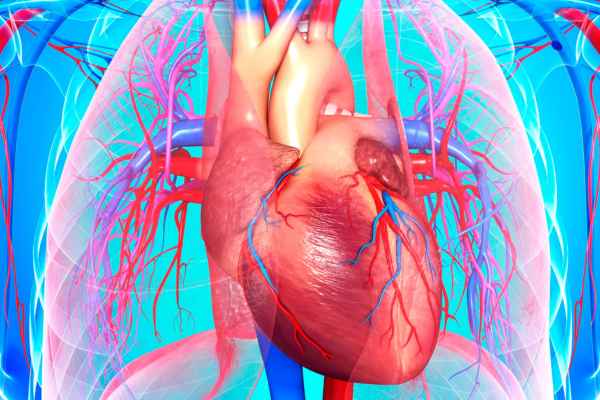
The B7-33 peptide’s interactions with the cardiovascular system manifest in several ways. Primarily, it induces vasodilation, helping to regulate blood flow and pressure. It also plays a role in angiogenesis, promoting the formation of new blood vessels, which is crucial for heart tissue repair after damage or injury. Moreover, the anti-inflammatory effects of B7-33 may help reduce vascular inflammation, a significant factor in atherosclerosis and other cardiovascular conditions. By targeting these key aspects of cardiovascular health, B7-33 peptide offers a promising avenue for therapeutic intervention in cardiovascular diseases.
B7-33 nasal spray is in stock and available from Direct Sarms.
Scientific Studies Supporting B7-33 Peptide
Over the years, numerous Romania preclinical studies have been conducted to explore the therapeutic potential of B7-33 peptide. These studies have consistently demonstrated the peptide’s significant cardioprotective effects, paving the way for its potential use in treating cardiovascular diseases.
Overview of Key Studies
- In a study published in the Journal of Pharmacology and Experimental Therapeutics, researchers administered B7-33 to rats with induced myocardial infarction. Their findings showed that the peptide significantly reduced infarct size and improved cardiac function.
- Another pivotal study published in Circulation Research evaluated the effects of B7-33 on heart failure in animal models. The study concluded that the peptide increased the heart’s pumping efficiency and reduced symptoms of heart failure.
- A study published in Hypertension focused on the peptide’s effect on blood pressure. The research found that B7-33 promoted vasodilation and reduced blood pressure in hypertensive rats, demonstrating its potential in managing hypertension.
Significant Findings in Cardiovascular Protection
- Infarct Reduction: Studies have shown that B7-33 can significantly reduce the size of myocardial infarction, therefore limiting the extent of heart damage and improving overall cardiac function.
- Heart Failure Management: B7-33 has demonstrated the ability to enhance the heart’s pumping efficiency in animal models of heart failure, which could translate to improved quality of life and survival rates for patients with heart failure.
- Blood Pressure Regulation: The peptide’s ability to induce vasodilation and subsequently reduce blood pressure could potentially make it a valuable tool in the management of hypertension and other cardiovascular conditions where blood pressure regulation is crucial.
Comparisons with Existing Treatments and Advantages of B7-33 Peptide
The potential benefits of B7-33 peptide become even more significant when compared to the limitations of current cardiovascular disease treatments. Below, we will discuss how B7-33 peptide may build on the strengths and address the weaknesses of existing therapies.
Buy B7-33 Pre-mixed pen online today from Direct Sarms, your trusted supplier of premium peptides.
Limitations of Current Solutions
- Side Effects: Current Romania treatments for cardiovascular diseases, such as beta-blockers and ACE inhibitors, often come with a range of side effects, including fatigue, dizziness, and weight gain. These side effects can negatively impact a patient’s quality of life.
- Lack of Selectivity: Many drugs used in the treatment of cardiovascular conditions interact with multiple receptors, which can lead to unintended effects and increased side effects.
- Long-term Efficacy: For many patients, existing treatments do not provide sufficient long-term control over the disease, meaning that their condition may progressively worsen over time.
Advantages of B7-33 Peptide
- Reduced Side Effects: Due to its selectivity for the RXFP1 receptor, B7-33 peptide might cause fewer side effects compared to current treatments. This could enhance patient compliance and overall treatment outcomes.
- Greater Efficacy: Studies have indicated that B7-33 peptide could be more effective in managing cardiovascular disease symptoms. Its ability to stimulate vasodilation, inhibit inflammation, and promote angiogenesis could prove beneficial in a range of cardiovascular conditions.
- Potential for Long-term Management: Given its mechanism of action, B7-33 peptide could potentially offer better long-term disease management. Its effects on vascular health and inflammation may slow disease progression and improve long-term patient outcomes.
While further Romania research is needed to establish these benefits in clinical settings, initial findings suggest that B7-33 peptide offers a promising new direction in cardiovascular disease treatment.
The Future of B7-33 Peptide in Cardiovascular Protection
The future of B7-33 peptide in cardiovascular protection appears promising, with its potential application in multiple treatments and ongoing research enhancing our understanding of its role in cardiovascular health.
Potential Applications and Treatments
B7-33 peptide could potentially revolutionise the treatment of several cardiovascular conditions. These include heart failure, hypertension and atherosclerosis. The peptide’s ability to reduce infarct size, enhance the heart’s pumping efficacy and regulate blood pressure are significant advantages that could be harnessed to improve patient outcomes. In particular, B7-33’s application in post-myocardial infarction repair and heart failure management could dramatically enhance patient survival rates and quality of life.
Ongoing Research and Development
As the therapeutic potential of B7-33 peptide continues to be investigated, ongoing research is paramount in understanding its complete scope of benefits. Current research endeavours include understanding the optimal dosage and route of administration for the peptide, as well as its long-term safety profile. Several Romania preclinical and early-phase clinical trials are underway to evaluate the peptide’s efficacy in a broader patient population and to further elucidate its mechanisms of action within the cardiovascular system. With such research efforts, the therapeutic potential of B7-33 peptide in cardiovascular protection will be better understood and optimised for clinical use.
Conclusion
In conclusion, the B7-33 peptide is poised to become a game-changer in the field of cardiovascular protection. Its potential lies in its ability to reduce infarct size, enhance heart function, and manage blood pressure, representing a significant leap forward in the treatment of cardiovascular diseases such as heart failure, hypertension, and atherosclerosis.
The peptide’s selectivity for the RXFP1 receptor could potentially offer fewer side effects, better efficacy, and long-term disease management, thus improving patient outcomes and quality of life.
While the initial findings are promising, further research and Romania clinical trials are crucial to fully comprehend the potential of B7-33 peptide and to optimise its use in clinical settings.
As we look to the future, the B7-33 peptide could potentially redefine our approach to cardiovascular protection, offering hope for improved treatments and better patient outcomes.
References
[1] https://www.ahajournals.org/doi/ 10.1161/JAHA.119.015748
[2] https://pubmed.ncbi.nlm.nih.gov/ 32295457/
[3] https://pubmed.ncbi.nlm.nih.gov/ 23303914/
[4] https://www.ncbi.nlm.nih.gov/ pmc/articles/PMC5406285/
[5] https://www.researchgate.net/ publication/312592591
Disclaimer: We do not supply sarms or peptides to any individual under the age of 21. You must be a licensed and qualified healthcare practitioner. Our team of dedicated professionals are committed to providing an extensive range of products used ONLY in the process of laboratory research by responsible trained and professional individuals. All products listed on this website (direct-sarms.com) and provided through Direct Sarms Romania are intended for laboratory research purposes only. The products listed on this website are NOT for human or animal consumption or ingestion of any kind.